Why 2700K Warm Lighting Dominates 2026 Bedroom Design
Anúncios
2700K warm lighting is a popular choice for bedroom interiors in 2026 because its soft, warm-white appearance creates an inviting atmosphere. Learn how color temperature, brightness, layered fixtures, and smart controls work together to create a comfortable bedroom.
2700K warm lighting is a practical option for bedrooms designed around comfort, relaxation, and welcoming interiors. Its gentle golden-white appearance works with many decorative styles.
Unlike cooler white lighting, 2700K bulbs resemble the familiar warmth of traditional incandescent lamps. They can make bedside corners and living spaces feel less clinical.
However, choosing bedroom lighting involves more than color temperature. This guide explains the difference between Kelvin and lumens, how to select appropriate brightness, and ways to create a balanced bedroom lighting scheme.
The Scientific Basis for 2700K Warm Lighting
2700K warm lighting is frequently selected for evening environments because it generally contains a lower proportion of short-wavelength light than many cooler white sources.
Anúncios
Light exposure influences the human circadian system, which helps regulate daily patterns of alertness and sleep. The timing, intensity, duration, and spectrum of light all matter.
For that reason, warm-colored bulbs can be part of a thoughtful evening routine. They are not a standalone treatment for sleep problems or a guarantee of better rest.
Circadian Rhythm and Melatonin Production

The circadian rhythm is an internal timing system influenced by light and darkness. Exposure to bright light during the evening can interfere with normal sleep-related signals.
Compared with some cooler alternatives, 2700K warm lighting may reduce exposure to blue-rich illumination when the overall brightness and other conditions are comparable.
However, a bright warm lamp can still deliver substantial light to the eyes. Lower evening illumination and a dark sleeping environment remain important considerations.
Light Timing: Bright evening exposure can influence circadian rhythms.
Light Intensity: Dimming fixtures helps reduce overall illumination.
Color Spectrum: Warmer light often contains less short-wavelength energy than cooler white light.
Darkness at Night: A dark bedroom is preferable for sleep whenever practical and safe.
Why Brightness Matters as Much as Color Temperature
Color temperature describes the appearance of white light. It does not specify how much illumination a fixture produces or how much reaches someone's eyes.
Two bulbs labeled 2700K warm lighting can have significantly different brightness levels, creating different environments despite sharing the same color temperature.
Anúncios
Using dimmable fixtures and indirect lighting can make it easier to reduce exposure before bedtime. Bedroom lighting should still provide enough visibility for safe movement.
Understanding Kelvin, Lumens, and Lux
Choosing lighting becomes easier when homeowners understand three measurements: Kelvin, lumens, and lux. Each describes a different characteristic of illumination.
2700K warm lighting refers to correlated color temperature, measured in Kelvin. Lumens describe the total visible light emitted by a source.
Lux measures illumination reaching a surface. These distinctions help explain why two warm-white bedrooms can look and feel very different.
What Does 2700K Actually Mean?
A 2700K bulb produces light with a warm-white appearance. It commonly resembles the color associated with traditional incandescent household bulbs.
For bedrooms, 2700K warm lighting can complement soft furnishings, wooden furniture, muted walls, and other decorative elements.
Kelvin does not indicate electrical efficiency or brightness. Check the lumens and wattage listed on the product label when evaluating a bulb.
How Many Lumens Does a Bedroom Need?
The right light output depends on room size, fixture design, wall colors, and activities. Reading requires different illumination from relaxing before sleep.
When choosing 2700K warm lighting, consider several smaller light sources instead of relying on one unnecessarily bright ceiling fixture.
Bedside lamps can provide localized illumination, while dimmed ambient lighting supports softer evening scenes. Actual brightness should be tested in the room.
Comparing 2700K, 3000K, and Cooler Light
Warm-white 2700K bulbs create a softer appearance, while 3000K generally looks slightly whiter. Higher color temperatures can appear increasingly neutral or cool.
Neither 2700K nor 3000K is universally appropriate for every activity. Personal preference, fixture design, and lighting intensity influence the final experience.
For a restful bedroom atmosphere, 2700K warm lighting is a sensible starting point. Adjustable lighting can accommodate people who prefer different settings.
2200K–2400K: Very warm, amber-like light suitable for low-intensity decorative scenes.
2700K: Familiar warm-white appearance often preferred for bedrooms.
3000K: Slightly less golden warm white, useful for multiple household activities.
3500K–4000K: More neutral white appearance for selected task-oriented spaces.
5000K and Above: Cooler or daylight-like white appearance, depending on the source.
Aesthetic Appeal and Design Versatility of 2700K
Beyond its relationship with evening routines, 2700K warm lighting is valued for its ability to create an inviting visual atmosphere.
Warm-white light often complements bedrooms decorated with natural materials, soft textiles, and understated colors. It can work with both traditional and contemporary furniture.
Its appearance also depends on lampshades, wall finishes, and fixture placement. Thoughtful lighting design is more important than choosing a color temperature alone.
Enhancing Textures and Colors
Warm light can emphasize the cozy appearance of wooden surfaces, woven fabrics, and neutral-colored upholstery. It may also alter how certain paint colors appear.
2700K warm lighting works particularly well with cream, beige, terracotta, and warm gray palettes, although individual combinations depend on room finishes.
Color rendering quality matters when accurate colors are important. Check a bulb's color rendering specifications rather than assuming all warm-white products reproduce colors equally well.
Warm Lighting for Modern and Minimalist Bedrooms
Minimalist interiors often combine simple furniture, restrained colors, and carefully selected lighting. Warm-white fixtures can soften the appearance of these spaces.
Using 2700K warm lighting in a minimalist bedroom can create contrast between clean architectural details and comfortable ambient illumination.
For additional styling inspiration, explore modern home interior decor trends and adapt ideas to your available space.
The Shift Away From Cooler Bedroom Lighting
Cooler white lighting can be useful when visibility and visual focus are priorities. However, many homeowners prefer a warmer atmosphere for relaxing bedroom activities.
2700K warm lighting offers a familiar visual character that can feel more comfortable during quiet evening routines.
This is a design preference rather than proof that cooler lighting is always inappropriate. Bedrooms used for studying, dressing, or detailed tasks may benefit from adjustable settings.
Impact on Mood and Ambiance
Lighting influences how people perceive a room. Lower-intensity warm light often creates a different atmosphere from bright, cool-white overhead illumination.
For a relaxing appearance, 2700K warm lighting can be combined with indirect fixtures, bedside lamps, and shades that soften visible glare.
Individual responses vary, and light color alone does not establish a specific emotional outcome. Comfort depends on the complete environment and personal preferences.
When Cooler Lighting May Still Be Useful
Bedrooms can serve several functions beyond sleeping. Some people read, work, apply makeup, or organize clothing in the same room.
In those circumstances, a cooler or more neutral task light may be useful, provided that it delivers suitable illumination and does not create uncomfortable glare.
Homeowners can retain 2700K warm lighting for ambient evening scenes while using adjustable task fixtures for activities requiring greater visibility.
Technological Advancements in Warm Lighting
Modern LED technology offers a broad selection of warm-white bulbs with different brightness levels, designs, and control features.
2700K warm lighting is available in conventional lamps, decorative fixtures, LED strips, and compatible smart lighting systems.
These products can support energy-efficient lighting when selected appropriately. Actual electricity use depends on wattage, operating hours, and the fixture's efficiency.
Smart Lighting and Customization
Smart bulbs can offer scheduling, dimming, and adjustable color-temperature features. Available functions depend on the product and control system.
Homeowners can create an evening scene using 2700K warm lighting at a comfortable, reduced intensity before bedtime.
Some systems also support gradual changes throughout the day. These settings provide convenience, but should not be described as guaranteed sleep treatments.
Scheduled Scenes: Set different lighting preferences for daytime and evening.
Dimming Controls: Adjust brightness according to activity.
Adjustable Color Temperature: Switch between warm and neutral white where supported.
Remote Operation: Control compatible fixtures through approved devices.
Choosing Energy-Efficient LED Bulbs
LED bulbs generally offer substantial energy-efficiency advantages over traditional incandescent lighting. Their performance varies by manufacturer and model.
When purchasing 2700K warm lighting, compare lumens, wattage, estimated lifespan, and dimmer compatibility.
A bulb with lower wattage is not necessarily preferable if its brightness is inadequate. Look for an appropriate balance of output, efficiency, and comfort.
Impact on Real Estate and Home Appeal
Lighting affects how a bedroom appears during property viewings, photography, and everyday use. A carefully illuminated room can look more welcoming.
Using 2700K warm lighting may improve the visual presentation of a bedroom, particularly when combined with coordinated furniture and clean finishes.
However, there is no reliable basis for claiming that this color temperature alone increases property values or guarantees a faster home sale.
Buyer Preferences and Comfort Features
Prospective buyers may notice whether a room feels inviting, provides enough light, and supports different activities. These impressions depend on multiple design factors.
2700K warm lighting can form part of an attractive bedroom presentation, especially when fixtures are positioned to avoid glare and dark corners.
For broader inspiration, homeowners can consider the importance of home decor alongside functional improvements such as storage, ventilation, and daylight access.
Affordable Lighting Upgrades for Existing Bedrooms
Creating a warmer bedroom atmosphere does not always require replacing entire fixtures. Compatible LED bulbs and lampshades may provide useful improvements.
Changing selected bulbs to 2700K warm lighting can help unify a room's appearance without a major renovation.
Compare affordable options carefully, verify electrical compatibility, and explore budget-friendly interior decorating ideas before making larger purchases.
Integrating 2700K Warm Lighting in Your Bedroom
Effective bedroom illumination usually involves several layers rather than a single central light source. Different fixtures serve different activities.
2700K warm lighting can be used for general illumination, bedside lamps, and selected decorative accents to create a coordinated appearance.
Choose fixture positions and brightness levels based on room dimensions, furniture layout, and personal comfort. Avoid placing bright, exposed bulbs directly in the normal field of view.
Layered Lighting Strategies
Ambient lighting provides general visibility, task lighting supports specific activities, and accent fixtures add visual interest to selected features.
Combining these layers with 2700K warm lighting can create a consistent atmosphere while maintaining different brightness options.
Individual lamps can also be switched off independently. This flexibility helps residents avoid using unnecessary overhead illumination during evening routines.
Ambient Lighting: Ceiling fixtures or indirect sources for general illumination.
Task Lighting: Bedside lamps or adjustable reading fixtures.
Accent Lighting: Subtle lights for shelves, artwork, or architectural details.
Night Lighting: Low-intensity fixtures for safer movement in darkness.
Choosing Bedside Lamps and Reading Lights
Bedside lighting should provide comfortable visibility without shining directly into the eyes. Adjustable fixtures can help focus illumination where needed.
2700K warm lighting offers a comfortable appearance for many reading corners, although adequate brightness remains essential for the task.
Consider the position of the lamp, the shape of its shade, and whether separate controls are available for each side of the bed.
Reducing Glare and Harsh Shadows
Visible glare can make a room uncomfortable even when the overall brightness is moderate. Bare LED bulbs may create particularly noticeable points of light.
To improve 2700K warm lighting, use diffusers, shaded lamps, or reflected illumination where practical.
Placing lamps at different heights may also reduce overly strong contrasts. Test the arrangement at night when exterior daylight is no longer influencing the room.
Common Mistakes When Choosing Bedroom Lighting
Some lighting problems occur because people select bulbs based only on appearance. A warm color temperature cannot compensate for poor placement or unsuitable brightness.
Even with 2700K warm lighting, uncomfortable fixtures may produce glare, uneven illumination, or insufficient light for reading.
Checking product specifications and room conditions before purchasing can help avoid these issues. Dimming compatibility and fixture safety are important considerations.
Confusing Kelvin With Lumens
Kelvin describes the appearance of light, while lumens measure the visible light emitted by a source. They represent different product characteristics.
A bright 2700K warm lighting fixture may produce more total light than a dim cooler-white bulb despite its warmer color.
Choose the color temperature for appearance and compare lumens for output. Use brightness controls to adapt the room to changing needs.
Using the Same Brightness All Day
Lighting needs change between morning routines, daytime tasks, and evening relaxation. A fixed brightness level may not suit every activity.
For bedrooms using 2700K warm lighting, adjustable fixtures make it easier to create brighter settings when necessary and dimmer ones before bed.
During daytime, access to natural daylight can also support visibility and normal daily light exposure. At night, reducing unnecessary illumination is generally more appropriate.
Future Outlook: Why 2700K Warm Lighting Remains Relevant
Warm-white bulbs remain a practical choice for homeowners seeking comfortable bedroom aesthetics and flexible lighting arrangements.
2700K warm lighting pairs well with natural textures, neutral colors, and dimmable LED systems. These characteristics make it suitable for many contemporary interiors.
Nevertheless, claims that 2700K has become the universal bedroom standard in 2026 require representative market evidence. Preferences vary by region and individual.
Combining Warm Light With Personalized Color Schemes
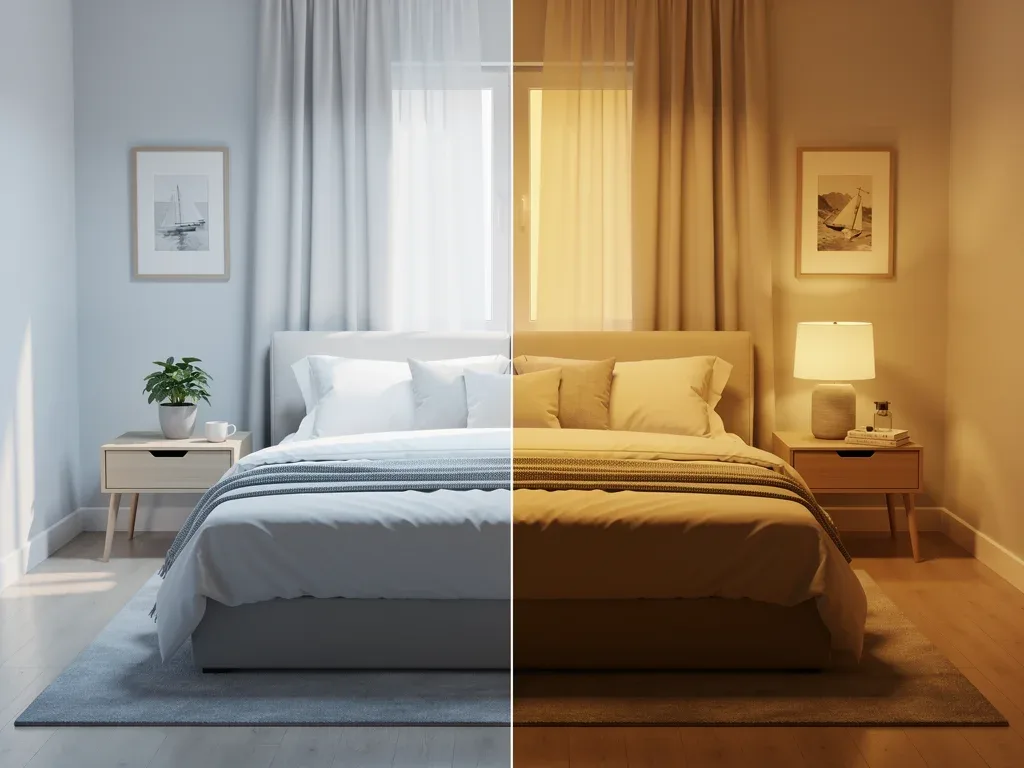
Paint colors, flooring, textiles, and furniture finishes influence how bedroom lighting appears. Testing different bulbs in the actual room is helpful.
Homeowners can pair 2700K warm lighting with natural materials or use it to soften certain modern finishes.
Those planning larger decorative changes can explore home interior color schemes to create a more coordinated appearance.
Conclusion
2700K warm lighting offers an inviting color appearance that works particularly well for many bedroom environments in 2026.
Its benefits are most effectively realized through suitable brightness, comfortable fixture placement, layered illumination, and sensible evening light habits.
Rather than treating one Kelvin rating as a universal solution, homeowners should choose a lighting arrangement that supports their activities, preferences, and room design.
Key Trend | Brief Impact |
|---|---|
Circadian Considerations | Warm-colored, dim evening lighting can help reduce unnecessary exposure to bright, blue-rich light. |
Aesthetic Enhancement | 2700K provides a warm-white appearance that complements many bedroom colors and textures. |
Technological Integration | Dimmable LEDs and smart controls allow convenient adjustment of brightness and lighting scenes. |
Home Appeal | Thoughtful lighting can improve a room's presentation, without guaranteeing increased property value. |
Frequently Asked Questions About Bedroom Lighting
Why is 2700K warm lighting preferred for bedrooms?▼
Many people prefer 2700K warm lighting because it creates a familiar, soft, warm-white appearance. It can complement bedroom furniture and decorative colors while offering a comfortable setting for evening activities. Appropriate brightness and fixture placement remain equally important.
How does 2700K lighting impact sleep quality?▼
Warmer light generally contains less short-wavelength energy than cooler white light, but color temperature alone does not determine its effects on sleep. The brightness, timing, duration, and spectrum of exposure matter. Reducing bright artificial light before bed and maintaining a dark sleeping environment can support healthy sleep routines.
Can cooler lumens be used anywhere in the home?▼
Yes, although lumens measure brightness rather than color temperature. Cooler-white bulbs can be useful for tasks requiring visibility and concentration. Bedrooms may also benefit from adjustable or neutral-white task lighting during certain activities.
What are the aesthetic benefits of 2700K warm lighting?▼
2700K warm lighting creates a golden-white appearance that works well with wood, soft fabrics, and many neutral color schemes. When combined with diffusers and carefully positioned fixtures, it can help create a welcoming and visually coordinated bedroom.
Is 2700K warm lighting energy efficient?▼
LED bulbs labeled 2700K can be energy efficient, but efficiency depends on the product rather than its color temperature alone. Compare wattage, lumens, and product specifications to select a suitable bulb. Many LED products use substantially less electricity than traditional incandescent alternatives.
Looking Ahead
The appeal of 2700K warm lighting reflects an interest in comfortable interiors and practical lighting customization rather than a universally proven design requirement.
Modern LED products make warm-white illumination accessible in a variety of fixtures, while smart controls provide more flexibility for daily activities.
For bedrooms in 2026, the most useful approach is to balance aesthetic preferences with suitable brightness, adequate task lighting, and lower light exposure during the hours before sleep.