Cut Decor Budgets by 35%: 5 Sustainable Textile Pairings
Anúncios
Sustainable textile pairings can help homeowners refresh seasonal decor without constantly purchasing new accessories. Explore five practical fabric combinations, learn how to reuse existing materials, and discover a realistic budgeting strategy that could reduce decorating expenses by 35%, depending on your purchasing choices.
Sustainable textile pairings offer a creative way to update home decor while making better use of materials, existing accessories, and household budgets.
Instead of replacing curtains, cushions, throws, and bedding every season, homeowners can combine versatile fabrics that work with different colors and decorating styles.
This guide explores five fabric combinations and explains how thoughtful purchasing, reuse, and maintenance can help reduce seasonal spending. A 35% budget reduction is a possible planning target, not a guaranteed saving.
Why Sustainable Textile Pairings Matter for Home Decor
Creating an inviting home does not always require buying new furniture or replacing decorative accessories when the seasons change.
Anúncios
By choosing home interior decor materials that complement different settings, homeowners can refresh rooms through smaller adjustments.
Sustainable textile pairings support this approach by combining textures, colors, and fabrics that may remain useful across multiple decorating cycles.
Why Sustainable Choices Matter for Your Wallet
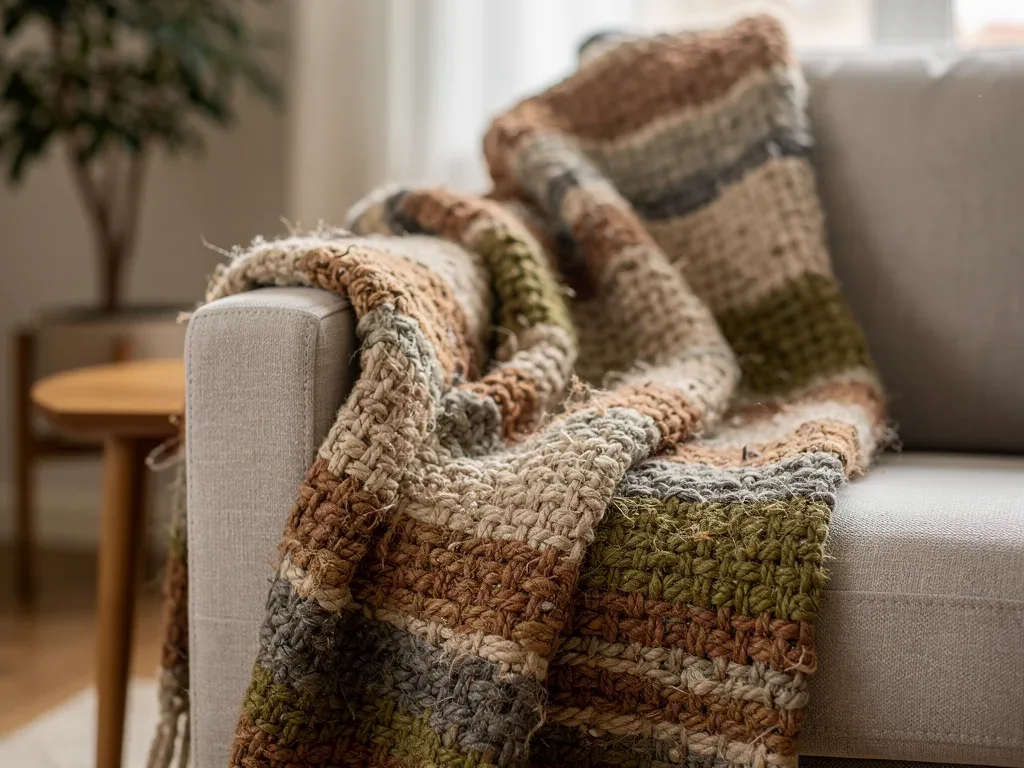
Buying fewer replacement items can reduce decorating expenses, particularly when existing cushions, blankets, and curtains remain in good condition.
Some well-constructed textiles may justify a higher initial price through longer use, although sustainability labels alone do not guarantee superior durability.
The financial value of sustainable textile pairings depends on product quality, purchase price, maintenance needs, and how frequently an item would otherwise be replaced.
Long-Term Use: Choose fabrics and construction suitable for the intended purpose.
Versatility: Combine neutral foundations with smaller seasonal accents.
Reuse: Refresh existing textiles before purchasing replacements.
Maintenance: Follow care instructions to avoid premature damage.
Five Sustainable Textile Pairings for Budget-Friendly Decor
The most practical sustainable textile pairings balance appearance, intended use, care requirements, and affordability.
Natural and recycled fibers can provide appealing decorating options, but their environmental characteristics depend on sourcing, manufacturing, finishing, and product longevity.
Anúncios
The following five combinations offer flexible ideas for living rooms, bedrooms, dining areas, and other spaces without assuming that every material is environmentally preferable in every situation.
1. Organic Cotton and Linen: Natural Comfort
Organic cotton and linen create a relaxed combination that works particularly well with minimalist, coastal, and traditional decorating styles.
Cotton can provide a soft texture for cushion covers and bedding, while linen introduces a distinctive woven appearance suitable for curtains, table runners, and decorative accessories.
Among sustainable textile pairings, this combination is especially versatile because neutral shades can remain in place while smaller accent colors change with the seasons.
How to Style Organic Cotton and Linen
Start with neutral linen curtains or a table runner, then introduce organic cotton cushion covers in colors that complement the existing room.
During warmer months, lighter shades such as cream, sage, and muted blue can create an airy appearance without replacing the main textiles.
For autumn or winter, use removable covers in warmer tones while retaining the same curtains, bedding, and larger accessories.
2. Hemp and Jute: Rustic Texture and Practicality
Hemp and jute provide distinctive textures that complement rustic, farmhouse, bohemian, and nature-inspired interiors.
Hemp textiles may work well for durable decorative covers, while jute is commonly used in rugs, woven accents, and home accessories.
These sustainable textile pairings can create visual interest without requiring numerous decorative objects, particularly in spaces already using wood and neutral colors.
Where Hemp and Jute Work Best
Consider a hemp cushion cover on a sofa alongside a jute rug or decorative basket to establish a coordinated natural aesthetic.
Use jute thoughtfully in areas where its texture and care requirements are appropriate, since some woven products may be sensitive to moisture or difficult to clean.
The combination can work across seasons by changing small accessories rather than replacing the larger foundation pieces.
Recycled and Regenerated Fabrics in Seasonal Decor
Recycled fibers and responsibly produced regenerated cellulosic materials provide additional options for homeowners interested in reducing unnecessary textile consumption.
However, recycled content and renewable raw materials do not automatically establish that an entire product has a lower environmental impact.
When evaluating sustainable textile pairings, consider verified material information, product lifespan, maintenance, and whether the purchase replaces something that can still be used.
3. Recycled Wool and TENCEL Lyocell: Warmth and Softness
Recycled wool can provide warmth and texture for blankets, throws, and decorative accents while making use of previously produced wool fibers.
TENCEL-branded lyocell offers a smooth texture suitable for certain bedding and home textile applications, depending on the product's construction.
Combining these materials allows homeowners to balance a warm wool accent with lighter fabrics, creating sustainable textile pairings suited to different seasonal needs.
Comfort: Pair textured wool throws with smoother bedding or cushions.
Reuse: Choose pieces that can serve more than one decorative purpose.
Material Transparency: Check recycled content and branded fiber claims.
Care: Follow instructions to avoid shrinkage and fabric damage.
Styling Recycled Wool With Lyocell
A recycled wool throw can introduce a warm visual layer to a bedroom or living room during colder periods.
Lyocell bedding or cushion covers can provide a smoother contrast, helping the same room feel comfortable without excessive accessories.
Instead of replacing both fabrics each season, store the wool throw when it is not needed and retain the other textiles throughout the year.
4. Bamboo-Derived Viscose and Organic Cotton: Smooth Everyday Textures
Combining bamboo-derived fabric with organic cotton can create a soft combination for decorative accessories and certain bedding products.
Many fabrics marketed as bamboo are actually manufactured as viscose or rayon derived from bamboo cellulose, so buyers should examine the fiber composition carefully.
The environmental impact depends on how the fibers are processed, and antibacterial or hypoallergenic claims should not be assumed simply because bamboo is used as the original raw material.
Practical Uses for Bamboo-Derived Fabrics and Cotton
Choose cotton-based cushions or bedding as a versatile foundation, then introduce compatible bamboo-derived textiles where their texture suits the room.
Subtle color variations and coordinated patterns can create a refreshed appearance without requiring an entirely new bedding collection.
For sustainable textile pairings, prioritize fabric quality and transparent manufacturing information rather than assuming all bamboo-derived products deliver the same environmental benefits.
5. Reclaimed Denim and Organic Cotton: Casual and Creative Decor
Reclaimed denim and organic cotton offer a practical fifth pairing for households interested in reusing existing textiles.
Old denim garments can be repurposed into cushion covers, patchwork accents, or small decorative accessories, while cotton fabrics add softness and color variation.
These sustainable textile pairings can work especially well in casual living rooms, children's spaces, or creative interiors where handmade details contribute to the overall style.
How to Reuse Denim Without Overspending
Begin by examining jeans or other denim garments that are no longer suitable for regular wear but still contain usable fabric.
Combine reclaimed sections with existing cotton remnants to create decorative covers or small textile projects without purchasing large quantities of new material.
For a cohesive appearance, use repeated colors or stitching details and limit the number of competing patterns within the same space.
How Sustainable Textile Pairings Can Reduce Decorating Costs
The main financial benefit of sustainable textile pairings comes from reducing unnecessary replacement purchases and making existing items more adaptable.
Choosing fabrics that complement several color schemes can limit the number of decorative accessories needed for each seasonal update.
However, the actual savings depend on the household's original spending habits, product prices, and how effectively existing textiles are reused.
Can You Really Save 35% on Seasonal Decor?
A 35% spending reduction can be used as an illustrative budgeting goal, but it should not be presented as a verified average achieved by homeowners using these fabrics.
For example, a household that previously spent $200 on a seasonal decor update would need to limit its next refresh to $130 to achieve a 35% reduction.
That difference could come from reusing existing curtains and blankets, choosing replacement cushion covers instead of complete cushions, and postponing unnecessary purchases.
A Practical Seasonal Decor Budget Example
Consider a homeowner who usually buys new cushions, throws, decorative table textiles, and several accessories during each seasonal change.
Instead of replacing every item, the homeowner could retain the largest textiles and purchase only a few complementary pieces.
The following illustration shows how sustainable textile pairings might support a lower decorating budget through selective purchasing.
Expense | Previous Budget | Revised Budget |
|---|---|---|
Cushion Covers and Accents | $60 | $35 |
Throws and Blankets | $55 | $30 |
Table and Decorative Textiles | $45 | $35 |
Additional Accessories | $40 | $30 |
Total | $200 | $130 |
This example represents a hypothetical 35% reduction in spending, not evidence that the five fabric pairings independently produce that result.
The Role of Durability and Versatility in Budget Reduction
Durability can influence long-term decorating expenses because textiles that remain usable do not need to be replaced as frequently.
Versatility also matters, especially when homeowners choose fabrics and patterns that work with multiple seasonal color schemes.
For sustainable textile pairings, the most useful pieces are often those that combine appropriate construction quality with a style that remains appealing over time.
Maximizing Lifespan and Minimizing Waste
Follow the manufacturer's washing and drying instructions to help maintain fabric appearance and reduce unnecessary wear.
Repair loose seams, replace damaged fasteners, and consider refreshing removable covers before replacing complete decorative items.
When textiles are no longer suitable for their original purpose, reuse or donation may be appropriate depending on their condition and local options.
Choosing Versatile Colors and Patterns
Neutral shades can provide a flexible foundation because they coordinate with many seasonal accent colors.
Textures such as linen, wool, and reclaimed denim can add visual interest even when a room uses a relatively simple color palette.
The aim is to build sustainable textile pairings that feel cohesive throughout the year rather than following every short-lived decorating trend.
Implementing Sustainable Textile Pairings in Your Home
Start by reviewing the textiles already present in your home and identifying items that remain attractive and functional.
Choose one or two fabric combinations that complement your existing furniture, flooring, and preferred decorating colors.
A gradual approach can make sustainable textile pairings easier to incorporate while helping prevent unnecessary purchases.
Strategic Purchases for Long-Term Savings
Before buying a textile product, compare its intended use, construction, care requirements, and purchase price.
Certifications may help assess specific claims, but their meanings differ. GOTS addresses defined organic textile processing requirements, while OEKO-TEX STANDARD 100 focuses on testing textiles for harmful substances.
Neither label alone guarantees that a product is the most environmentally sustainable option or that it will last longer than every alternative.
Refreshing the Living Room With Fewer Purchases
A living room can be refreshed through removable cushion covers, a coordinated throw, or a different arrangement of existing decorative items.
Try combining linen or organic cotton cushions with a reclaimed denim accent for texture without purchasing new furniture.
For sustainable textile pairings, focus on a limited number of complementary materials instead of introducing too many competing finishes.
Updating Bedroom Textiles Across Seasons
Bedrooms provide opportunities to reuse core bedding while adjusting decorative layers according to comfort and seasonal preferences.
A lightweight cotton or lyocell-based foundation can be complemented by an existing wool throw when additional warmth is needed.
Keeping the main bedding collection consistent can reduce storage needs and limit the expense of buying complete seasonal replacements.
The Environmental and Economic Impact of Conscious Choices
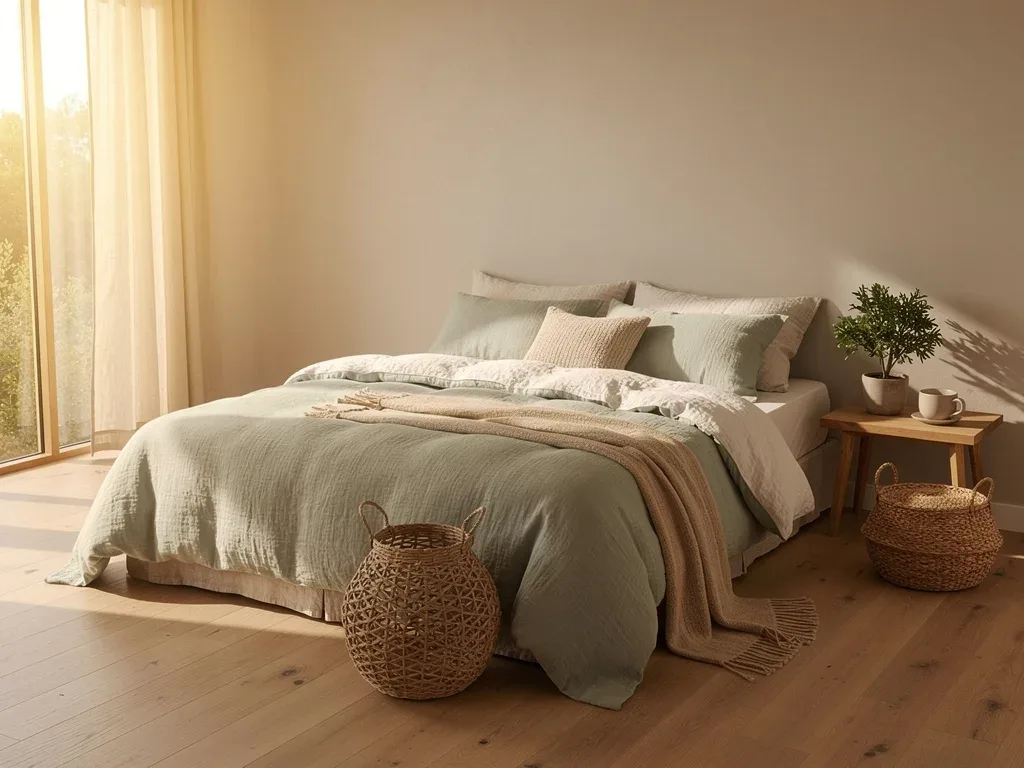
Reducing unnecessary textile purchases may help households limit material consumption and the amount of unwanted decor eventually discarded.
However, the environmental performance of a fabric depends on factors such as fiber production, manufacturing processes, durability, washing requirements, and disposal options.
Thoughtful sustainable textile pairings should therefore combine responsible purchasing with longer use and practical maintenance rather than relying on material labels alone.
Driving Industry Change Through Consumer Demand
Consumers can encourage better product information by choosing retailers that explain fiber composition, certifications, and manufacturing practices clearly.
Transparent information helps buyers distinguish between independently verified characteristics and broad marketing language.
Over time, demand for reliable product details may encourage more responsible sourcing and clearer communication across the home textile industry.
Understanding Environmental Trade-Offs
Natural fibers, recycled fibers, and regenerated cellulosic materials can each involve different environmental advantages and limitations.
For example, processing methods, transportation, dyeing, and product lifespan can substantially influence the overall impact of a finished textile.
For this reason, the best choice is not necessarily the fabric with the most environmentally appealing label, but a suitable product that will be used and maintained responsibly.
Common Mistakes When Shopping for Sustainable Decor
Buying sustainable-looking products without considering actual needs can undermine both environmental and financial goals.
Some homeowners replace functional items simply because a new material is advertised as more environmentally responsible.
Using sustainable textile pairings effectively requires avoiding purchases that do not improve comfort, functionality, or the long-term appearance of the home.
Replacing Items That Still Work
An existing curtain, rug, or throw does not need to be replaced merely because it was made from a conventional material.
Continuing to use a functional item can avoid the immediate expense and resource demand associated with buying a replacement.
When a new purchase becomes necessary, consider its expected usefulness and compatibility with your existing decor.
Ignoring Fabric Care Requirements
Some natural fibers require special washing temperatures, gentle cleaning, or additional attention to moisture.
Choosing difficult-to-maintain textiles for demanding environments can increase costs and shorten their useful life.
Always match the material to the intended use and evaluate whether its care requirements suit your household routine.
Assuming Every Sustainability Claim Means the Same Thing
Terms such as natural, recycled, organic, and eco-friendly describe different characteristics and should not be considered interchangeable.
A recycled fiber claim may describe material origin, while a certification can address a more specific set of manufacturing or testing requirements.
Reviewing these distinctions helps homeowners choose sustainable textile pairings based on relevant information instead of unsupported marketing promises.
Five Sustainable Textile Pairings at a Glance
The following comparison summarizes the five combinations discussed in this guide and their potential decorating applications.
Each pairing offers a different visual effect, but the best choice depends on room conditions, maintenance needs, and the materials already available.
The table can help homeowners identify suitable sustainable textile pairings before making additional purchases.
Key Pairing | Primary Benefit |
|---|---|
Organic Cotton & Linen | Softness, natural texture, and versatile styling for bedding, cushions, and curtains. |
Hemp & Jute | Earthy textures suited to rustic accents, woven accessories, and compatible decorative applications. |
Recycled Wool & TENCEL Lyocell | Contrasting warm and smooth textures suitable for layered seasonal decor. |
Bamboo-Derived Viscose & Organic Cotton | Soft fabric combinations for selected bedding and accessories, with sourcing and processing requiring careful assessment. |
Reclaimed Denim & Organic Cotton | Creative reuse opportunities for cushions, decorative covers, and casual interiors. |
Frequently Asked Questions About Sustainable Decor
What exactly are sustainable textile pairings?▼
Sustainable textile pairings are combinations of fabrics selected with attention to environmental considerations, practical use, and long-term value. Examples include organic cotton with linen or reclaimed denim with cotton. Sustainability depends on factors such as sourcing, manufacturing, maintenance, and product lifespan rather than the combination alone.
How do these pairings cut decor budgets by 35%?▼
A 35% reduction is a possible budgeting target, not a verified result guaranteed by specific fabrics. Homeowners may approach that target by reusing existing textiles, choosing removable covers, avoiding unnecessary replacements, and comparing prices. For example, reducing a seasonal budget from $200 to $130 represents a 35% reduction.
Are sustainable textiles more expensive initially?▼
Some sustainably sourced or certified textiles cost more than conventional alternatives, while others may be available at comparable or lower prices. The total financial value depends on durability, care requirements, and how frequently the product is used. Reclaimed or secondhand materials may also offer affordable options.
Can these pairings fit any home decor style?▼
Many fabric combinations can complement different interiors when colors, textures, and patterns are chosen carefully. Linen and cotton work well in minimalist spaces, hemp and jute suit rustic rooms, and reclaimed denim can support casual designs. The best result depends on the existing furniture and the desired visual effect.
Where can I find reliable sustainable textile products?▼
Look for retailers that provide detailed fiber composition, care instructions, and clear information about relevant certifications. GOTS can help identify products meeting defined organic textile requirements, while OEKO-TEX STANDARD 100 addresses testing for harmful substances. Certifications cover different criteria, so buyers should understand what each label verifies.
What Sustainable Textile Pairings Mean for Homeowners
Choosing sustainable textile pairings can help homeowners approach seasonal decorating through reuse, material compatibility, and more deliberate spending.
Instead of buying entirely new collections, consumers can explore affordable home interior decor ideas that make existing furniture and accessories feel fresh.
The most reliable benefits come from purchasing only what is needed, caring for textiles properly, and selecting pieces that remain useful over time. With these habits, sustainable decorating can become both a practical financial strategy and a more thoughtful approach to home design.