Mastering Japandi Interiors: 5 Minimalist Ceramic and Oak Vignettes
Anúncios
Japandi interior vignettes can transform small areas of a home by combining simple ceramic objects, natural wood, negative space and carefully chosen functional pieces.
You do not need to redesign an entire room to introduce the look; five focused arrangements can refresh an entryway, coffee table, bedroom, workspace and dining area.
Using pieces you already own, each vignette can be assembled in an afternoon while keeping the overall approach calm, functional and intentionally uncluttered.
What Defines Japandi Interior Design?
Japandi brings together influences from Japanese and Scandinavian interiors, two traditions that often value simplicity, natural materials, craftsmanship and purposeful design.
The result typically favors quiet palettes, clear silhouettes, restrained decoration and enough empty space for individual objects to remain visually distinct.
Anúncios
Rather than filling every surface, the goal is to create a balanced room where useful objects and natural textures contribute to an atmosphere of calm.
Japandi Is More Than Beige Minimalism
Although warm whites, beige and soft gray frequently appear in Japandi-inspired interiors, the style does not require a completely pale or monochromatic palette.
Muted greens, clay tones, charcoal and darker wood can create contrast while preserving the restrained atmosphere associated with the aesthetic.
The most convincing spaces rely on proportion, texture and material relationships instead of simply purchasing objects marketed under the Japandi label.
Japanese and Scandinavian Influences Are Distinct
Japanese interiors contribute ideas including restraint, closeness to nature, careful craftsmanship and an appreciation for materials that change gracefully with age.
Scandinavian interiors contribute their own traditions of functional furniture, natural materials, light, approachable forms and comfortable everyday living.
Japandi works best when these influences are treated as related inspirations rather than compressed into a single rigid formula.
Anúncios
Understanding Wabi-Sabi in Japandi Spaces
Wabi-sabi is frequently mentioned alongside Japandi because it encourages appreciation for simplicity, naturalness, age and qualities that are not perfectly uniform.
In interiors, that influence may appear through handmade pottery, visible wood grain, repaired objects or surfaces that become more expressive with use.
It should not be reduced to intentionally distressed furniture or buying manufactured objects merely because they have an irregular appearance.
Imperfection Should Feel Natural
A hand-thrown cup with subtle variation can feel more appropriate than a factory-made piece deliberately engineered to imitate damage or age.
Likewise, solid wood that develops slight tonal variation over time can contribute character without making the room look neglected.
The Metropolitan Museum of Art connects wabi and sabi with naturalness, age, simplicity and an appreciation of objects whose irregularity encourages contemplation.
Hygge Adds a Different Kind of Warmth
The Scandinavian concept of hygge is often connected to comfort, togetherness and creating surroundings that feel welcoming rather than purely decorative.
Within a Japandi-inspired room, that can translate into soft lighting, tactile textiles, comfortable seating and objects that support ordinary routines.
The result should therefore feel livable rather than like a minimalist showroom where every personal object has been removed.
Ceramics Add Texture Without Visual Noise
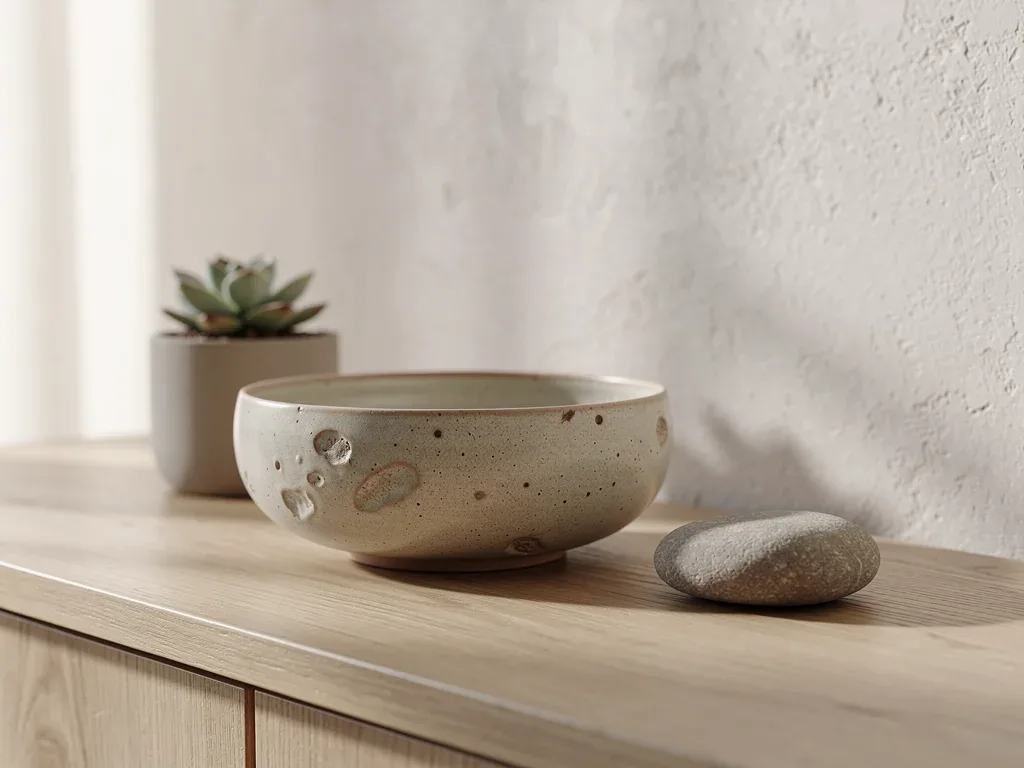
Ceramic objects fit easily into Japandi interiors because they can provide shape, texture and craftsmanship without demanding strong patterns or saturated color.
Bowls, mugs, trays, carafes and vases can also remain functional, reinforcing the idea that decorative objects do not need to exist solely for display.
Matte, textured and lightly glazed finishes often integrate particularly well with wood, linen and other natural materials used in restrained interiors.
Choose Ceramics for Shape and Function
A simple bowl can hold keys in an entryway, while a ceramic cup on a bedside table can serve a practical role instead of becoming unnecessary clutter.
For purely decorative pieces, choose forms that add something different from the furniture around them, such as a rounded vessel beside linear wood surfaces.
A few objects with clear purpose generally create a stronger composition than an assortment of small pieces competing for attention.
Handmade Does Not Need to Mean Perfectly Rustic
Handmade pottery can range from rough earthenware to extremely refined porcelain, so there is no single ceramic finish required for Japandi styling.
Look for pieces whose proportion, color and tactile quality complement the room rather than selecting objects solely because they appear visibly imperfect.
Subtle irregularity can add character, but restraint remains important if the goal is to maintain the quiet visual rhythm of the space.
Oak Is Useful but Not Mandatory
Oak works particularly well in Japandi-inspired interiors because its visible grain and broad range of finishes pair naturally with ceramics and neutral textiles.
Light oak can reinforce the brighter Scandinavian side of the aesthetic, while darker finishes can introduce contrast associated with some Japanese-influenced rooms.
However, Japandi is not defined by one wood species, and ash, walnut, cedar and other woods can work when their tone suits the broader composition.
Let the Grain Remain Visible
Finishes that preserve the visual character of the wood usually support a more natural appearance than thick coatings that completely hide grain and texture.
This does not require untreated timber; practical furniture finishes can protect the surface while retaining enough variation to keep the material recognizable.
The objective is to appreciate wood as a material rather than treating it merely as another flat color within the room.
Mixing Wood Tones Can Still Work
A Japandi room does not require every piece of furniture to match exactly, and slight variations can make a space feel more collected and less staged.
Try repeating one dominant tone while allowing one darker or lighter accent to create depth across shelving, tables or decorative accessories.
Maintaining consistent shapes and an overall restrained palette can help multiple woods coexist without making the room feel visually fragmented.
Before Styling: Edit the Surface First
The fastest way to improve a vignette is often removing objects before adding anything new, especially on surfaces that have accumulated everyday clutter.
Clear the area completely, identify what genuinely needs to remain there and then rebuild the arrangement around those functional requirements.
This editing process also makes it easier to notice the scale of the surface and determine how many decorative objects it can comfortably support.
Use Negative Space as Part of the Composition
Empty surface around an object allows its shape, texture and material to remain visible instead of disappearing into a crowded arrangement.
Negative space also makes functional areas easier to use because books, cups or keys can be placed temporarily without disturbing a complicated display.
Think of the empty portion of the table or shelf as an intentional element rather than evidence that something is missing.
Build Around One Visual Anchor
Most small vignettes become easier to style when one object establishes scale, such as a vase, lamp, framed artwork or substantial ceramic bowl.
Smaller pieces can then support that anchor through differences in height and shape without becoming multiple competing focal points.
This simple hierarchy makes an arrangement feel intentional even when it contains ordinary objects already present in the home.
Vignette 1: A Calm Japandi Entryway
An entryway should remain practical because it handles keys, bags and everyday transitions, making it an ideal place for functional Japandi styling.
Start with a wood console or shelf and leave enough open space that arriving home does not immediately create new visual clutter.
A ceramic tray, one vertical object and a discreet storage solution can be enough to establish the entire composition.
Combine a Ceramic Tray With One Vertical Element
Use a shallow ceramic dish for keys and pair it with a taller vase, branch or lamp to create variation in height.
The arrangement can remain asymmetrical as long as the visual weight feels balanced across the surface rather than concentrated entirely on one side.
A single branch or modest botanical arrangement usually feels calmer than a large bouquet when working with a narrow entrance console.
Hide What Does Not Need to Be Displayed
Shoes, reusable bags and charging cables can quickly overwhelm a minimalist entryway even when the decorative objects are carefully selected.
A basket, drawer or closed cabinet provides accessible storage while preserving the visual simplicity of the top surface.
This is where Japandi's emphasis on function becomes useful: the room should work better after styling, not merely look more photographed.
Vignette 2: A Japandi Coffee Table
A coffee table offers enough surface to create a distinctive vignette, but it should still leave space for drinks, books and everyday use.
Begin with one ceramic object and pair it with one lower element such as a book, tray or compact wooden accessory.
Readers exploring broader arrangements can also compare these principles with other coffee table styling elements.
Use Three Different Heights
A low book, medium ceramic bowl and taller vase can create a gradual movement that keeps the arrangement visually interesting without becoming elaborate.
The objects do not need to form a perfect triangle, but changing height prevents everything from appearing flat across the table.
Keep enough distance between pieces that their individual silhouettes remain visible from the main seating position.
Keep the Centerpiece Easy to Move
If the coffee table is frequently used for snacks, games or entertaining, place smaller objects together on a tray that can be relocated quickly.
This prevents styling from turning the table into a surface that looks attractive but becomes inconvenient during ordinary use.
Japandi-inspired design is most convincing when simplicity supports real routines rather than interfering with them.
Vignette 3: A Restful Bedside Table
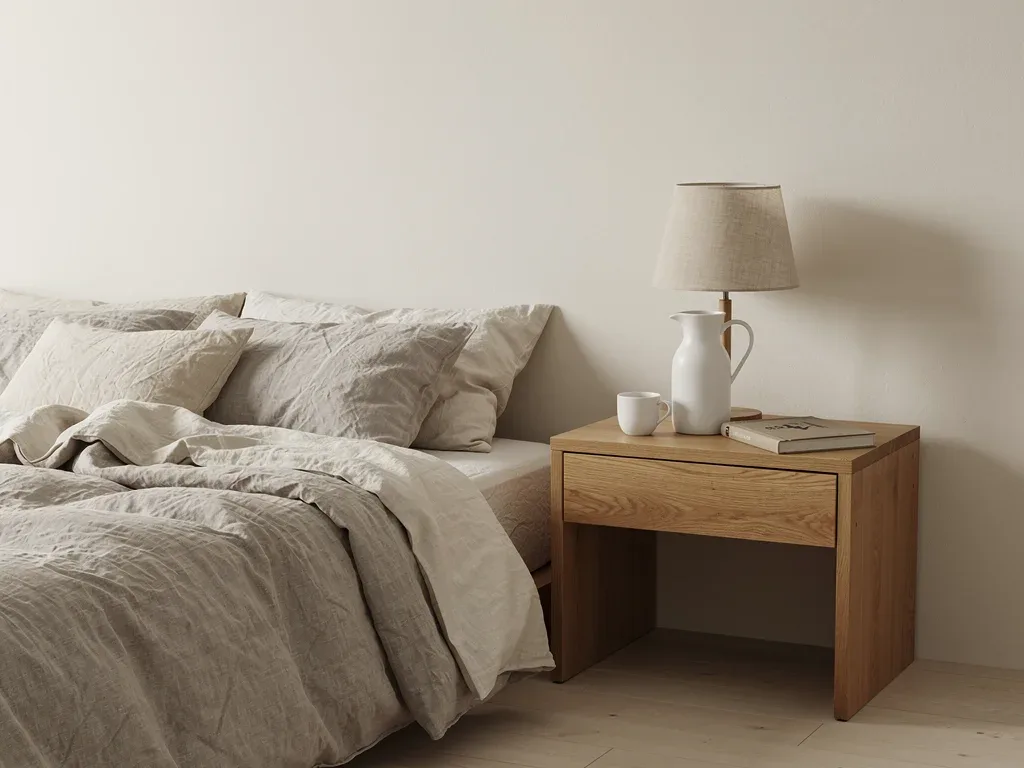
A bedside vignette benefits from stronger editing because the surface usually needs room for lighting, water, a phone or personal essentials.
Choose one primary ceramic piece, such as a carafe or small vase, and allow the practical items required at night to remain accessible.
Limiting the number of objects can also make the bedside environment feel visually calmer when viewed immediately before sleep.
Pair Ceramic With Soft Lighting
A small ceramic lamp or an understated lamp beside a ceramic carafe creates a useful combination of texture and function.
Warm, diffused lighting generally works better for this setting than an intense exposed source that becomes the dominant visual feature.
The lamp should still provide appropriate light for reading or movement, demonstrating that atmospheric styling should not compromise practical needs.
Use One Personal Object
A book, framed photograph or small keepsake can keep the vignette from feeling anonymous while preserving the overall restrained composition.
There is no need to eliminate personal objects simply because Japandi interiors are associated with minimalism and uncluttered spaces.
Choose something meaningful enough to justify its place rather than filling the surface with objects selected only to complete an aesthetic.
Vignette 4: A Focused Workspace
A workspace benefits from minimal styling when decorative objects support organization instead of competing with monitors, notebooks and active work materials.
Wood introduces visual warmth, while one ceramic organizer can contain pens or small tools that would otherwise remain scattered across the desk.
The arrangement should leave a generous open working area rather than attempting to decorate every visible corner.
Keep Desk Accessories in One Material Family
A ceramic pen cup, wooden tray and neutral notebook can feel cohesive without requiring each item to come from the same product collection.
Repeating one or two materials creates consistency while allowing ordinary office tools to remain visible and easy to reach.
Avoid purchasing decorative organizers that add more objects than they actually help to contain.
Add Greenery Only When the Space Supports It
A compact plant can soften hard desk surfaces and introduce natural variation when sufficient light and maintenance conditions are available.
If the workspace receives little natural light, a ceramic vessel, branch or another nonliving element may be easier to maintain.
Plants should be selected according to the environment rather than treated as a mandatory requirement for a Japandi-inspired workspace.
Vignette 5: A Minimal Dining Table
The dining table should remain easy to clear and use, so the strongest Japandi centerpiece is often lower and simpler than a traditional formal arrangement.
Try grouping two or three ceramic vessels with slightly different heights on the centerline of a natural wood table.
The objects can remain empty, hold restrained seasonal branches or function as serving pieces when the table is actually being used.
Keep Sightlines Open
A centerpiece should not make it difficult for people seated opposite one another to communicate comfortably during a meal.
Low bowls or small vessels work particularly well because they add texture while leaving the central visual field largely unobstructed.
If you prefer a taller branch arrangement, make it lightweight and sparse enough that it does not create an opaque visual barrier.
Add Linen for a Softer Layer
A linen runner or simple napkins can break up the harder surfaces of wood and ceramic while retaining an understated natural texture.
Choose fabric that complements rather than perfectly matches the tableware so the setting feels collected instead of overly coordinated.
For everyday use, one textile layer is often enough to introduce warmth without moving the table toward a more formal aesthetic.
How to Style All Five Vignettes in One Afternoon
The easiest way to complete the project quickly is to shop your home first instead of searching for five entirely new sets of decor.
Collect ceramic bowls, mugs, vases, trays, wood accessories, books and neutral textiles in one place before deciding which room receives each piece.
This creates a temporary styling library and makes it easier to notice combinations that might not be obvious when objects remain distributed around the house.
Work From the Smallest Surface to the Largest
Start with the bedside table or desk because fewer objects are required, allowing the visual language of the project to emerge quickly.
Move next to the entryway and coffee table before finishing with the dining surface, which usually provides the greatest freedom for scale.
Photograph each arrangement briefly before continuing so you can compare proportions and identify unnecessary repetition across rooms.
Stop Before Every Surface Looks Identical
Using oak and ceramic in every vignette does not mean repeating the exact formula of one vase, one book and one plant five times.
Let function determine the objects: keys belong at the entrance, reading materials suit living areas and serving pieces belong naturally near dining.
Consistency should come from material and restraint while each vignette retains a clear relationship to the room where it appears.
Use Color to Connect the Five Arrangements
A limited palette can make separate vignettes feel connected even when their objects differ substantially in scale and function.
Warm white, clay, sand, soft gray, muted green and natural wood provide an easy foundation without making every piece visually identical.
Darker charcoal, brown or black accents can create contrast when used sparingly against lighter walls, ceramics and timber.
Do Not Make Everything the Same Shade
A room containing only beige objects of similar value can look flat despite technically following a neutral palette.
Introduce tonal contrast through dark ceramics, pale oak, off-white textiles or muted greenery while keeping saturation relatively restrained.
Texture can perform as much visual work as color, especially when rough pottery, smooth wood and woven fabric appear together.
Japandi Works in Small Homes Too
Smaller apartments can benefit from the style because editing and multifunctional objects reduce the amount of visual competition within limited square footage.
A single ceramic vessel or compact wooden tray can establish material character without consuming the space required for everyday movement and storage.
In tight rooms, restraint becomes practical as well as aesthetic because each decorative object must justify the physical area it occupies.
Prioritize Closed Storage Where Possible
Minimalist styling is difficult to maintain if every practical belonging has to remain permanently displayed on open surfaces.
Drawers, cabinets, baskets and storage furniture make it easier to preserve calm visual zones while keeping household necessities close at hand.
The goal is not owning almost nothing but giving ordinary belongings enough structure that the room can remain functional and visually legible.
Lighting Changes How Natural Materials Read
Ceramic glaze and wood grain can look dramatically different under cool overhead lighting compared with daylight or warmer evening illumination.
Japandi-inspired rooms often benefit from layered lighting that combines ambient light with smaller task and accent sources rather than one harsh fixture.
Natural daylight should be used where available because it reveals subtle variation in timber, clay and textiles particularly well.
Use Lighting to Support Function
A workspace needs stronger task lighting than a decorative dining vignette, while a bedside table needs enough illumination for reading and safe movement.
Atmospheric lighting should therefore supplement practical requirements instead of forcing every room into the same dim aesthetic.
Dimmers and multiple light sources can make a room adapt between daytime tasks and a quieter evening atmosphere.
Plants Are Optional, Not a Japandi Requirement
Greenery can strengthen the connection with nature, but a Japandi room does not automatically require plants on every shelf and table.
A single healthy plant often contributes more than several struggling plants purchased only because photographs of the style frequently include greenery.
Choose species according to available light, humidity and maintenance rather than selecting them entirely for visual shape.
Branches Can Offer a Lower-Maintenance Alternative
A simple branch in a ceramic vase can provide organic line and height without requiring the constant conditions needed by a living houseplant.
Seasonal cuttings can also make the vignette change naturally through the year while leaving the main furniture and objects untouched.
The arrangement should remain sparse enough that the botanical element complements the room instead of becoming a large decorative centerpiece.
Buy Less Before Buying “Japandi” Products
The popularity of Japandi has created a large retail category, but buying numerous products labeled with the style can undermine its emphasis on careful selection.
Before purchasing anything, identify whether a similar tray, bowl, book, vase or wooden object already exists elsewhere in the home.
This often produces a more individual interior because the final arrangement reflects accumulated belongings rather than a preassembled retail aesthetic.
Quality Does Not Require Luxury Pricing
Secondhand stores, local makers and ordinary homeware shops can provide useful pieces when the material, proportion and function fit the intended composition.
Look for stable construction, finishes you genuinely enjoy and objects durable enough to remain useful beyond a single decorating trend.
Readers exploring the larger home-design context can compare these ideas with broader modern home interior decor trends.
Do Not Treat Japandi as a Sustainability Guarantee
Natural wood, ceramic and linen can contribute to a long-lasting interior, but material labels alone do not establish the environmental impact of a product.
Origin, manufacturing, transportation, durability, finishing and how long an object remains in use all contribute to its broader environmental profile.
A more defensible approach is to purchase fewer useful pieces, maintain them properly and avoid replacing functional decor whenever trends change.
Longevity Supports the Design Philosophy
Objects that remain useful and visually satisfying for many years fit naturally with an interior centered on restraint and thoughtful selection.
Solid furniture that can be repaired or refinished may offer practical longevity, although construction quality matters more than any specific style label.
The same principle applies to ceramics and textiles: choose objects you expect to continue using after Japandi stops appearing in trend reports.
Five Japandi Vignettes at a Glance
The five arrangements use a shared vocabulary of ceramic, wood, neutral tones and negative space without requiring every surface to look identical.
Each vignette responds to a different function, from organizing keys and desk tools to supporting nighttime routines or shared meals.
This balance between visual consistency and practical variation is more useful than applying one decorative formula throughout an entire home.
Keep Function at the Center
The best entryway vignette helps with arrival, the best bedside table supports sleep routines and the best dining arrangement remains easy to use.
When styling starts interfering with those functions, remove an object before adding another decorative solution to compensate for the problem.
A successful Japandi interior vignette should make a surface feel calmer and more useful at the same time.
Vignette | Simple Formula |
|---|---|
Entryway | Wood console + ceramic tray + one vertical botanical element. |
Coffee Table | Ceramic bowl + low book or tray + taller vase. |
Bedside Table | Soft lamp + ceramic carafe or vase + one personal object. |
Workspace | Ceramic organizer + wooden tray + optional small natural element. |
Dining Table | Low ceramic grouping + optional linen layer + open sightlines. |
Frequently Asked Questions About Japandi Interiors
What is Japandi interior design?
Japandi combines influences from Japanese and Scandinavian design, often emphasizing simplicity, craftsmanship, natural materials, functionality and visually calm spaces.
Is Japandi the same as wabi-sabi?
No. Wabi-sabi is a Japanese aesthetic concept with a much broader cultural history, while Japandi is a contemporary design term combining multiple influences.
Does Japandi require oak furniture?
No. Oak works well because of its natural grain and range of tones, but other woods can create equally appropriate Japandi-inspired interiors.
Do Japandi interiors have to be beige?
No. Neutral colors are common, but charcoal, muted green, clay, brown and darker wood can introduce contrast without losing the restrained atmosphere.
Can I create Japandi interiors on a budget?
Yes. Start with objects you already own, declutter surfaces and add only pieces that improve function, texture or balance rather than replacing everything.
Are handmade ceramics necessary?
No. Handmade ceramics can add individuality, but proportion, material, function and compatibility with the room are more important than how an object was manufactured.
Is Japandi suitable for small apartments?
Yes. Its emphasis on editing, multifunctional objects and controlled visual clutter can work particularly well in rooms with limited space.
Are plants required in Japandi design?
No. Plants can reinforce the connection with nature, but branches, wood, natural textiles and other organic materials can provide similar visual qualities.
Can Japandi include dark colors?
Yes. Dark wood, charcoal and earthy tones can create useful contrast, especially when balanced with lighter surfaces and adequate natural light.
Can I style all five vignettes in one afternoon?
Yes, particularly if you reuse existing ceramics, books, trays and textiles instead of shopping for an entirely new set of decorative objects.
Conclusion
Japandi interior vignettes offer a practical way to introduce calm, natural materials and intentional styling without redesigning an entire home.
Ceramics and oak create an effective starting combination, but balance, function, negative space and personal objects matter more than following a rigid material checklist.
Style each surface around how the room is actually used, remove unnecessary clutter and let a small number of meaningful pieces carry the visual impact.