U.S. Fintech Lending Expansion: Market Trends and Outlook

Anúncios
U.S. fintech lending expansion trends are driven by technological innovations like AI and blockchain, enhancing customer experience and access to loans while challenging traditional banking systems.
In recent years, U.S. fintech lending expansion trends have dramatically transformed the financial landscape.
Anúncios
As more consumers embrace digital solutions, the potential for growth in this sector is huge. Have you ever wondered how these changes might affect you?
Overview of fintech lending in the U.S.
Fintech lending has quickly become a vital part of the financial ecosystem in the U.S. With technology advancing at an incredible pace, fintech companies are changing how individuals and businesses access loans. This new approach focuses on speed, convenience, and customer experience.
Anúncios
These lenders leverage technology to streamline the borrowing process. Traditional banking methods can often take time, with lengthy applications and approvals.
In contrast, fintech platforms offer a more efficient alternative, allowing borrowers to quickly apply online and receive funds faster.
Key Features of Fintech Lending
- Quick Approval Times: Borrowers can receive loan decisions in minutes or hours rather than days.
- User-Friendly Interfaces: Fintech platforms often have intuitive designs, making the application process simple.
- Data-Driven Assessments: These companies utilize algorithms that can analyze vast amounts of data to evaluate creditworthiness.
- Flexible Lending Options: Fintech companies offer various loans, including personal, business, and student loans.
Moreover, fintech lending contributes to greater financial inclusion, especially for underserved populations.
By removing traditional barriers to credit, more people can access financial resources that were previously out of reach. This shift is particularly important for those with thin credit files or no credit history.
As the industry grows, many fintech lenders are forging partnerships with existing financial institutions. This collaboration allows fintech companies to gain credibility and access to a broader customer base.
Meanwhile, established banks can modernize their services and improve customer satisfaction.
In summary, the fintech lending landscape in the U.S. is evolving rapidly, transforming how individuals and businesses obtain funds.
The emphasis on speed, convenience, and customer experience is reshaping expectations for borrowers, making access to credit easier and more dynamic.
Key drivers behind fintech expansion
Several factors are fueling the rapid growth of fintech in lending. Understanding these key drivers is crucial to grasp why this sector has become so influential.
The rise of technology, changing consumer behavior, and regulatory shifts are among the main elements shaping the fintech landscape.
One major driver is the increasing adoption of smartphones and digital services. As more people access the internet from their devices, it becomes easier for individuals to seek loans online.
This convenience is changing how consumers interact with financial services. The expectation for quick and easy access is higher than ever.
Innovations in Technology
Advancements in technology such as artificial intelligence and machine learning are changing the way loans are assessed and approved. These innovations allow fintech companies to analyze more data points than traditional lenders. This means they can make faster decisions based on various factors, not just credit scores.
- Seamless User Experience: Technology provides a smoother application process.
- Advanced Data Analytics: Businesses can better evaluate risk.
- Automated Processes: Reduces the time needed for loan approvals.
- Security and Privacy: Blockchain and other technologies enhance transaction security.
Additionally, shifting consumer preferences are pushing for more personalized and flexible financial products.
Customers want solutions that meet their unique needs, urging fintech companies to innovate rapidly. Offers that cater to specific demographics enhance customer loyalty and satisfaction.
Finally, as regulations evolve, they often create opportunities for fintech. Regulatory agencies are beginning to embrace innovation, allowing fintech startups to thrive. This new landscape enables companies to operate with more flexibility and reach wider audiences.
Impact on traditional banking systems

The rise of fintech lending is making a significant impact on traditional banking systems.
As fintech companies grow, they are changing how consumers view banking and access loans. This shift is prompting banks to rethink their strategies and operations to remain competitive.
Customers are increasingly drawn to the convenience and speed that fintech offers. They can quickly apply for loans and receive funds without the long wait times associated with traditional banks.
As a result, banks face pressure to enhance their own services and reduce processing times.
Challenges for Traditional Banks
With the growing popularity of fintech, traditional banks are encountering several challenges. One major issue is how to adapt to the rapidly changing landscape. Many banks struggle to implement new technologies to keep pace with nimble fintech startups.
- Innovation Gaps: Traditional banks often have rigid structures, making it harder to innovate.
- Customer Expectations: Consumers expect personalized services and quicker responses.
- Pressure to Lower Fees: Fintech often provides services at a lower cost, challenging banks to adjust their pricing.
- Need for Collaboration: Banks must consider partnerships with fintech to enhance their offerings.
Additionally, the emergence of fintech has led to increased competition in the lending space. Banks can no longer rely solely on existing customer relationships.
They need to attract new customers who are eager to explore alternatives offered by fintech companies.
This competitive environment is driving banks to rethink their approaches to product development and customer service. They are investing in technology and exploring digital transformation solutions to remain relevant.
By embracing change, banks can still retain their customer base while adapting to the innovative trends fintech brings.
Emerging technologies in fintech lending
Emerging technologies play a critical role in transforming fintech lending. These advancements are reshaping how loans are processed, assessed, and delivered to consumers.
By leveraging innovative solutions, fintech companies are changing the borrowing experience.
One major technology driving change in this field is artificial intelligence (AI). AI algorithms analyze large datasets to evaluate creditworthiness more accurately than traditional methods.
This allows for quicker loan approvals and fewer defaults. With improved risk assessment, fintech companies can offer better rates and more personalized products.
Blockchain Technology
Another exciting development is blockchain. This technology enhances security and transparency in lending.
By using blockchain, fintech firms can create immutable records of transactions, reducing fraud risks. This feature gives borrowers more confidence in the lending process.
- Decentralized Finance (DeFi): This allows users to lend and borrow without traditional banks.
- Smart Contracts: Automated contracts that execute when conditions are met, simplifying processes.
- Digital Wallets: Secure storage for digital currencies and easier transactions.
Moreover, machine learning is becoming vital in fintech. It enables platforms to learn from user behavior over time. This knowledge helps companies tailor their offerings and predict future borrowing needs. As a result, customers enjoy a more relevant and efficient experience.
Finally, advancements in mobile technology further facilitate access to fintech lending. More users can apply for loans directly from their smartphones.
This convenience encourages more individuals to consider alternative lending options. As technology continues to evolve, the possibilities for enhancing the lending experience are endless.
Challenges facing fintech lenders
Fintech lenders face several challenges as they navigate the rapidly changing landscape of financial services. Understanding these obstacles is essential for sustaining growth and meeting customer expectations.
The competitive environment requires fintech companies to continually innovate while addressing various external and internal pressures.
One major challenge is regulatory compliance. As fintech grows, so do government regulations. Lenders must stay updated with legal changes to ensure they operate within the law.
This can be costly and time-consuming, especially for smaller startups attempting to establish themselves.
Data Privacy and Security
Another significant issue is data privacy and security. Fintech lenders handle sensitive customer information, making them prime targets for cyberattacks.
A breach can lead to severe reputational damage and lead to financial losses. Protecting customer data is not just a legal requirement; it is also crucial for building trust with clients.
- Seller Trust: Without trust, customers hesitate to use fintech lending services.
- Technological Challenges: Keeping up with the latest tech trends requires constant investment.
- Competition: Fintech lenders must differentiate themselves in a crowded market.
- Access to Capital: Many fintech companies struggle to secure funding for expansion.
Additionally, fintech lenders must tackle the challenge of attracting and retaining talent. As the industry grows, there is fierce competition for skilled professionals who understand the intricacies of finance and technology.
Creating an appealing company culture can help attract top talent in this competitive labor market.
Finally, customer experience is paramount. Fintech lenders need to ensure that their platforms are user-friendly.
A complicated user experience can drive potential borrowers away. Balancing ease of access with robust features is a constant struggle for these companies.
Future outlook for fintech lending
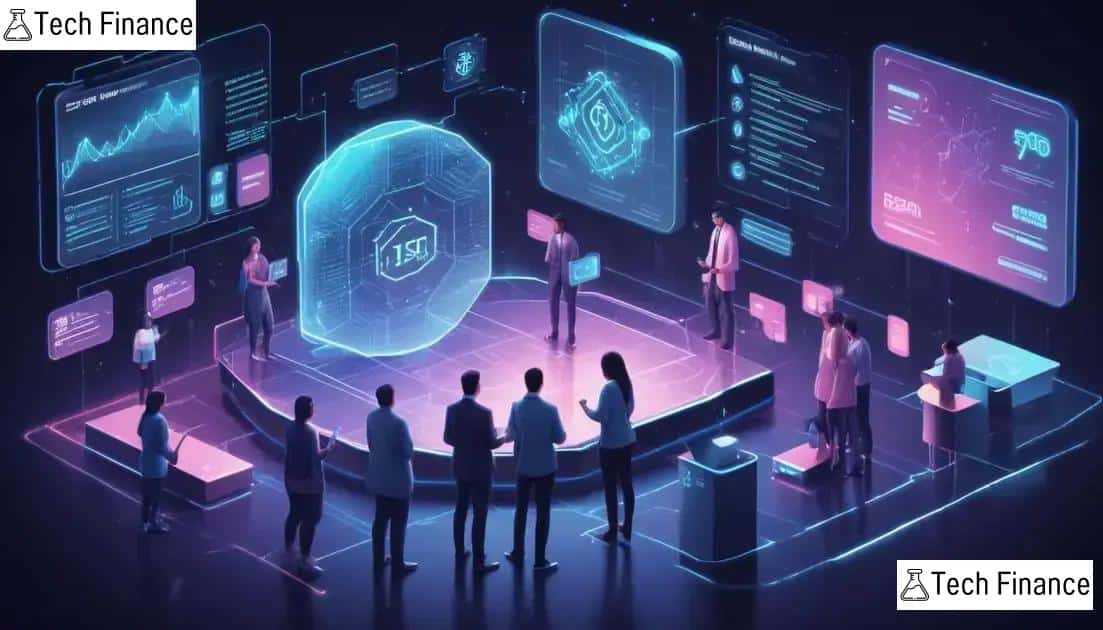
The future outlook for fintech lending is bright and filled with potential. As technology continues to develop, we can expect significant changes in the way loans are accessed and processed.
More consumers will use digital platforms due to their ease and convenience. This trend will further accelerate the growth of the fintech lending industry.
One promising aspect is the ongoing innovation that drives this sector. Artificial intelligence will play an even larger role, enhancing the efficiency and accuracy of credit assessments.
As AI algorithms improve, lenders can offer personalized loan options that better meet individual needs. This customization will enhance customer satisfaction and loyalty.
Integration of New Technologies
The integration of blockchain technology is likely to become more prevalent as well. By providing transparent and secure transactions, blockchain can improve trust between lenders and borrowers.
This could lead to an increase in the number of people willing to use fintech services, especially those previously hesitant about digital loans.
- Growth of Decentralized Finance: DeFi platforms may expand access to loans without traditional banks.
- Increased Regulatory Clarity: As regulations evolve, fintech lenders will gain clearer guidelines to follow.
- Enhanced User Experiences: Companies will focus on platforms that simplify the application process.
- Collaboration with Traditional Banks: Partnerships may grow, enhancing offerings for customers.
Moreover, as competition intensifies, fintech lenders will need to continually innovate to stay relevant.
Companies that prioritize user experience are likely to stand out in the crowd. Simplifying the loan process and offering competitive rates will be essential for attracting and retaining customers.
In summary, the future of fintech lending looks positive, driven by technological advancements and changing consumer behaviors.
As these trends unfold, the industry will likely see remarkable transformations that will improve access to financial services for more people.
FAQ – Frequently Asked Questions about Fintech Lending
What is fintech lending?
Fintech lending refers to financial technology companies that use software and online platforms to provide loans more efficiently than traditional banks.
How does technology improve the lending process?
Technology like artificial intelligence and blockchain enhances evaluation accuracy and speeds up loan approvals while ensuring secure transactions.
What are the benefits of using fintech lenders?
Fintech lenders often provide quicker approvals, personalized loan options, and a user-friendly digital experience compared to traditional banks.
What challenges do fintech companies face?
Fintech companies face challenges such as regulatory compliance, data security, and intense competition in the lending market.