UK Buy Now Pay Later Adoption Surge: Market Trends for 2026
Anúncios
The UK buy now pay later adoption surge allows consumers to make purchases and defer payments, enhancing financial flexibility while posing risks like overspending and potential debt accumulation.
The UK buy now pay later adoption surge is changing the way consumers interact with credit.
Anúncios
Many shoppers are gravitating toward these flexible payment options. But what does this mean for the market and consumers alike?
Understanding the buy now pay later concept
The buy now pay later concept has gained significant traction in recent years.
Anúncios
It allows consumers to purchase items and defer payments, providing enhanced flexibility and easier access to goods without immediate financial strain.
This method is particularly attractive to younger shoppers who may be wary of credit cards.
How It Works
Typically, these services enable you to make a purchase and split the payment into installments. Here’s a simple breakdown:
- Choose what to buy from participating retailers.
- Select the option to buy now and pay later at checkout.
- Make an initial payment, if required, followed by scheduled installment payments.
This financing option often does not involve interest, provided payments are made on time. However, missing a due date may lead to fees or interest charges. Understanding these details helps consumers make informed choices.
Benefits of Buy Now Pay Later
Buy now pay later services offer several advantages:
- Easy budgeting since payments are spread out.
- Immediate access to products without full payment.
- Boosts consumer confidence in purchases.
With these benefits, it’s no wonder that many consumers prefer this payment model. Shoppers can acquire the latest gadgets or fashion without overwhelming their budget.
As the market continues to evolve, understanding the buy now pay later concept is essential for both consumers and retailers.
This method not only changes how we shop but also how we perceive credit and finances. It’s a trend that reflects the shifting attitudes toward spending and financial responsibility.
Growth of buy now pay later services in the UK
The growth of buy now pay later services in the UK has been remarkable over the last few years.
This payment method is quickly becoming a popular choice for many consumers, especially among younger demographics.
As more retailers adopt these services, shoppers appreciate the ability to purchase items upfront and pay for them over time.
Market Expansion
Several factors contribute to the rapid market expansion of these services. Increased online shopping is a primary driver of this trend.
Consumers are feeling increasingly comfortable making purchases without upfront payments, leading to a rise in demand for flexible payment options.
Shoppers’ Preferences
Shoppers prefer buy now pay later options for several reasons:
- Immediate gratification without the financial burden.
- Ability to manage budgets with smaller, manageable payments.
- Low to no interest charges when payments are made on time.
This payment model has also resonated with younger consumers who value financial flexibility. They often see this option as a smarter way to shop, especially for larger purchases.
Retailers are responding to this growing interest by integrating these payment services into their platforms. Many are now partnering with companies that specialize in buy now pay later solutions. This collaboration allows retailers to attract a broader customer base and boost sales, showcasing the win-win nature of this trend.
As the UK market continues to embrace this payment approach, we can expect even more innovations and adaptations to consumer needs. The shift towards buy now pay later reflects changing attitudes about money and budgeting, making it essential for both consumers and businesses to stay informed.
Consumer benefits of buy now pay later options

The consumer benefits of buy now pay later options are significant, making it an appealing choice for many shoppers.
These services offer financial flexibility that traditional payment methods often lack. By allowing consumers to delay payments, they change how people approach shopping and budgeting.
One major benefit is the ability to manage expenses without immediate financial pressure. Here are some of the key advantages:
- Lower financial strain since payments are spread over time.
- Immediate access to desired products without paying upfront.
- Encouragement to make planned purchases without guilt.
This flexibility allows consumers to acquire items they may need or want while keeping their finances in check.
Many appreciate the simplicity of using buy now pay later services, which often provide clear terms and conditions.
Improved Shopping Experience
Shopping becomes more enjoyable when consumers know they can take their time paying. It reduces the anxiety related to impulse buying as well. They can take advantage of seasonal sales or promotions and break down payments into smaller, manageable amounts.
Moreover, the option to pay in installments often comes with limited or no interest, provided payments are made timely. This aspect further enhances its attractiveness compared to other credit options.
As more retailers adopt buy now pay later options, the entire shopping experience evolves, making it not only convenient but also more financially responsible. Understanding these benefits encourages consumers to make informed decisions about their purchases.
Risks associated with buy now pay later schemes
While buy now pay later schemes offer convenience, they also come with certain risks that consumers should be aware of.
Understanding these potential downsides is crucial for making informed financial decisions.
One significant risk is the possibility of overspending. Because payments can be deferred, consumers may buy more than they can afford. This can lead to a cycle of debt if not managed carefully.
Missed Payments and Fees
If a payment is missed, many providers impose late fees or interest charges, which can quickly add up. Here are some risks to consider:
- Late fees that increase the total cost of the purchase.
- Potential damage to credit scores if debts remain unpaid.
- Increased financial stress due to unexpected costs.
Moreover, since these services often encourage spending, they can lead to impulse purchases. Consumers may feel tempted to buy items they do not really need, which can harm their budgets.
Lack of Regulation
Another aspect to consider is the lack of regulation surrounding buy now pay later schemes. Unlike traditional credit cards, these services may not offer the same consumer protections. This can lead to confusion about terms and obligations, leaving shoppers vulnerable.
Understanding these risks helps consumers approach their purchases more thoughtfully.
While buy now pay later can be beneficial, it is essential to stay informed and disciplined while using such payment options.
Impact on traditional credit systems in the UK
The impact of buy now pay later services on traditional credit systems in the UK is growing.
As more consumers opt for these flexible payment options, traditional credit methods face increased scrutiny. These modern services challenge the long-standing norms of credit and lending.
Shift in Consumer Preferences
Many shoppers prefer buy now pay later because it offers a simpler way to manage payments without accruing debt. This shift is affecting how banks and credit card companies view their offerings.
Traditional credit cards often come with high-interest rates and complex terms, which can deter some consumers.
The Changing Landscape of Lending
As more people choose alternative payment methods, lenders are reconsidering their risk assessments.
The ease of access to buy now pay later options means consumers might rely less on credit cards. This can lead to a decrease in profit for banks that heavily depend on interest from credit card balances.
Moreover, with fewer people using credit cards, banks may need to innovate their services. To compete, they might introduce more flexible payment plans or lower fees. This evolution could result in a more consumer-friendly credit market, focused on providing better value.
Potential Regulatory Changes
As buy now pay later continues to grow, governmental bodies could implement regulations to ensure consumer protection.
Traditional lenders will need to adapt to these changes. They may seek to establish new relationships with consumers that emphasize transparency and fair practices.
In essence, the rise of buy now pay later services is reshaping the UK credit landscape. This evolution invites a rethinking of how credit is perceived and utilized, influencing both consumer behavior and traditional lending practices.
Future trends in the buy now pay later market
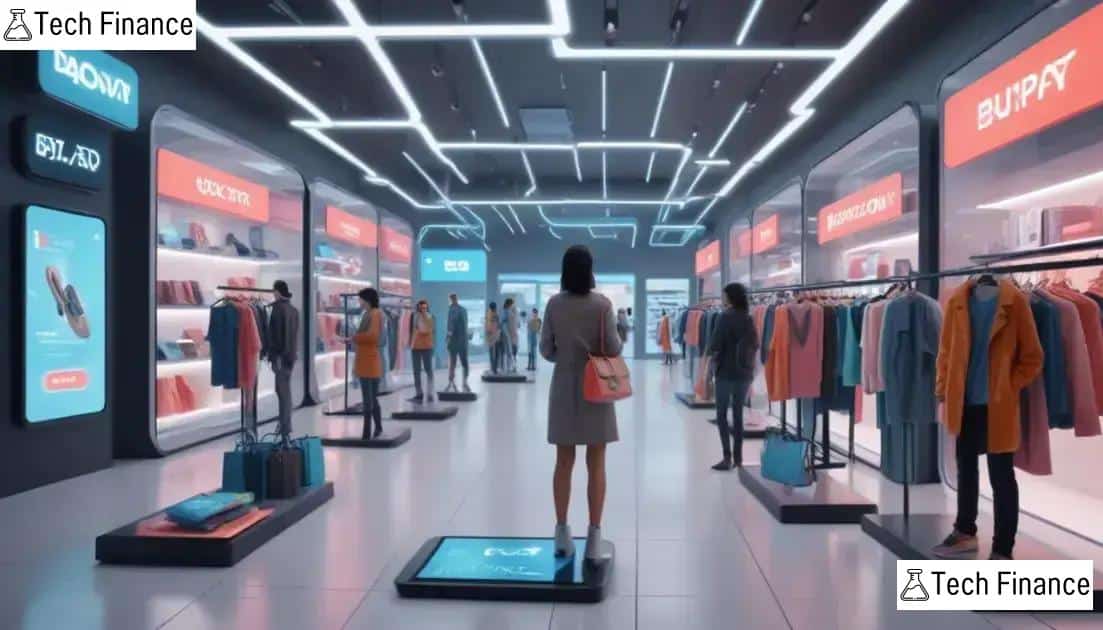
Future trends in the buy now pay later market are expected to evolve rapidly as consumer preferences shift.
These services are becoming ingrained in shopping habits, indicating how payment options will change in the coming years.
As technology advances and consumer demand grows, we can anticipate several key developments.
More retailers are likely to integrate buy now pay later solutions into their online platforms. This integration will make transactions smoother and enhance the overall shopping experience. With easy access, more consumers will choose this payment method during checkout.
Expansion into New Markets
The buy now pay later model is set to expand globally. As it gains popularity in various regions, financial service providers will tailor their offerings to fit local markets.
This could mean adjusting terms or launching new partnerships with retailers to bring these services to a broader audience.
Moreover, we will likely see innovations in payment structures. For example, increased flexibility may allow consumers to select their repayment terms. This level of customization will cater to individual needs, driving even greater adoption.
Focus on Regulation and Consumer Protection
As the market grows, regulatory scrutiny is also expected to increase. Policymakers may introduce new guidelines to ensure consumer protection and transparency in buy now pay later schemes.
This push for regulation may encourage more responsible lending practices among service providers.
Overall, the future trends in the buy now pay later market will likely prioritize convenience and user satisfaction. By adapting to changing consumer behaviors, these services can remain relevant and beneficial within the evolving landscape of retail and finance.
FAQ – Frequently Asked Questions about Buy Now Pay Later Services
What are buy now pay later services?
Buy now pay later services allow consumers to make purchases and defer payments over time, providing financial flexibility.
What are the benefits of using buy now pay later options?
Benefits include ease of budgeting, immediate access to products, and potentially lower costs compared to traditional credit cards.
Are there any risks associated with buy now pay later services?
Yes, risks include overspending, missed payments leading to fees, and possible negative impacts on credit scores.
How is the buy now pay later market expected to evolve?
The market is likely to expand, integrating more with e-commerce, offering increased flexibility, and undergoing greater regulation.